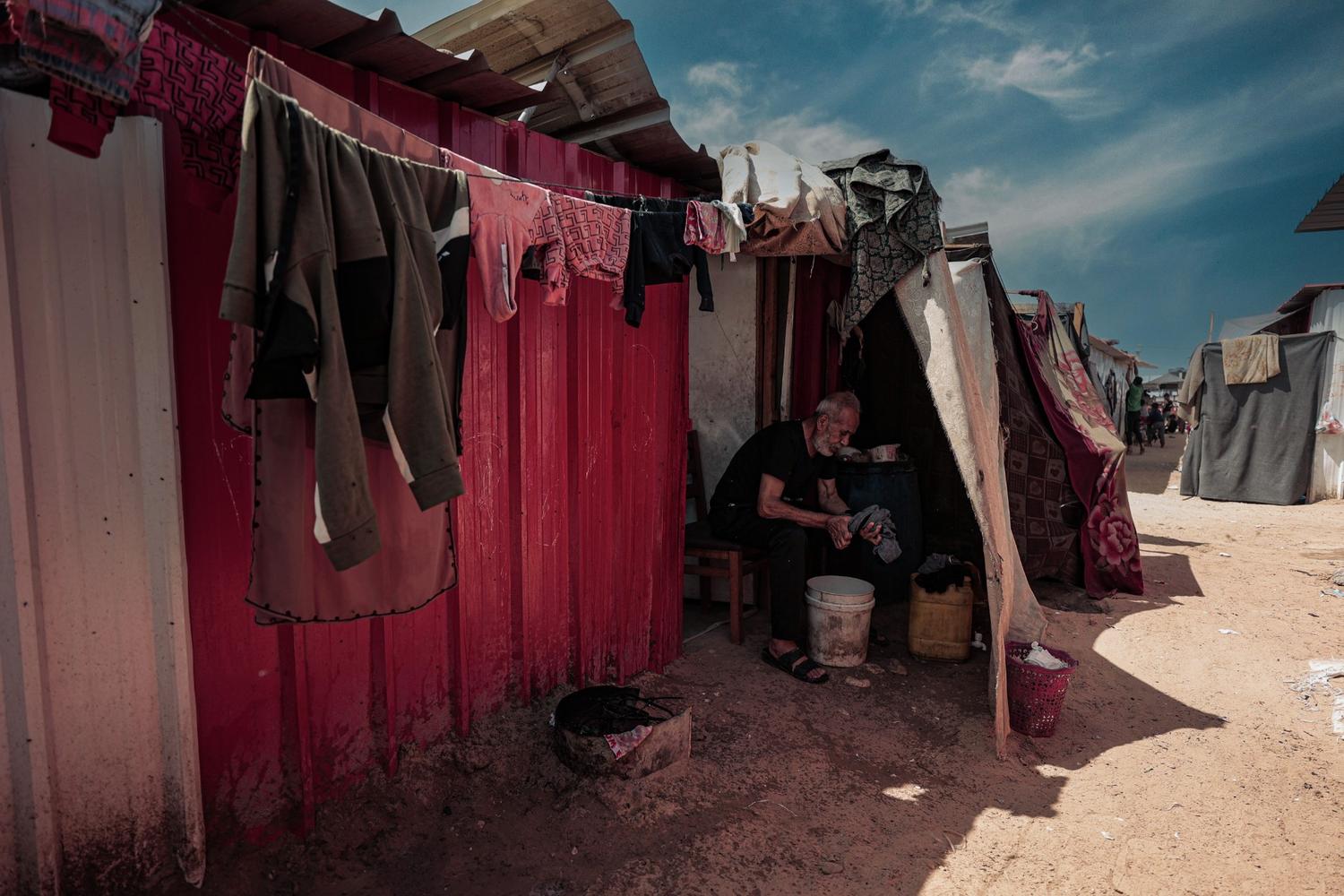
When people have to leave, and leave quickly, they don't always have room for much.
A bag gets packed in a hurry.
A door is locked and then checked again.
A phone is charged, if time allows.
A child is told to hold on to one small thing and not let it go.
That last part sounds minor. It isn’t. Because when life goes sideways, people don't only carry clothes or documents.
They carry pieces of home.
A photo, creased at the edges. A key to a lock that’s now history. A recipe scribbled in handwriting that once felt so familiar. A scarf, still faintly smelling of where it comes from.
These things aren’t precious in any worldly sense.
That’s exactly why they’re important. A photo doesn’t rebuild a house. A recipe can’t fill a room with the murmur of voices.
A key won’t unlock the door it once belonged to. But these fragments do this: they remind people that their lives were not solely defined by their loss. Their lives were made of birthdays and arguments, of meals and celebrations, of routines and quirks that made a place their own.
That’s what they try to preserve as the world around them transforms.
A grandmother memorises the names in the family tree, understanding that memories fade if no one remembers them.
A father preserves a notebook filled with phone numbers in faded ink.
A mother tucks away a child’s tear-stained artwork.
A teenager saves voice notes from loved ones, knowing that the echo of a familiar voice can make a difficult day just about bearable.
These don’t look like heroic gestures, at least not in public. They are acts of quiet defiance. No bold slogans or defiant protests.
But a subtle assertion: This is still me.
This still matters.
I won’t let it disappear.
Communities endure because people refuse to let their personal narratives vanish.
A shared family recipe is preserved. A favourite song is memorised.
A story is retold, even as the context changes.
A child is taught the old street name of a lane, even after the physical form of that lane changes.
Someone records the date of a crucial event so it doesn’t get lost in the blur of hardship.
These might seem like small things, insignificant even, but they’re the means by which identity remains stable amidst chaos.
Humanitarian aid correctly focuses on urgent needs: food, shelter, and safety.
But individuals also need the space to continue being themselves.
To keep a history, a ritual, or a feeling of belonging alive.
It’s not merely about surviving; it’s about maintaining the elements that make reconstruction possible in the first place.
Because when someone guards a photograph, a notebook, or a child's drawing, they're not clutching an object.
They're clutching evidence of a life that was more abundant than the present crisis.
And that evidence is sometimes what allows people to begin again.