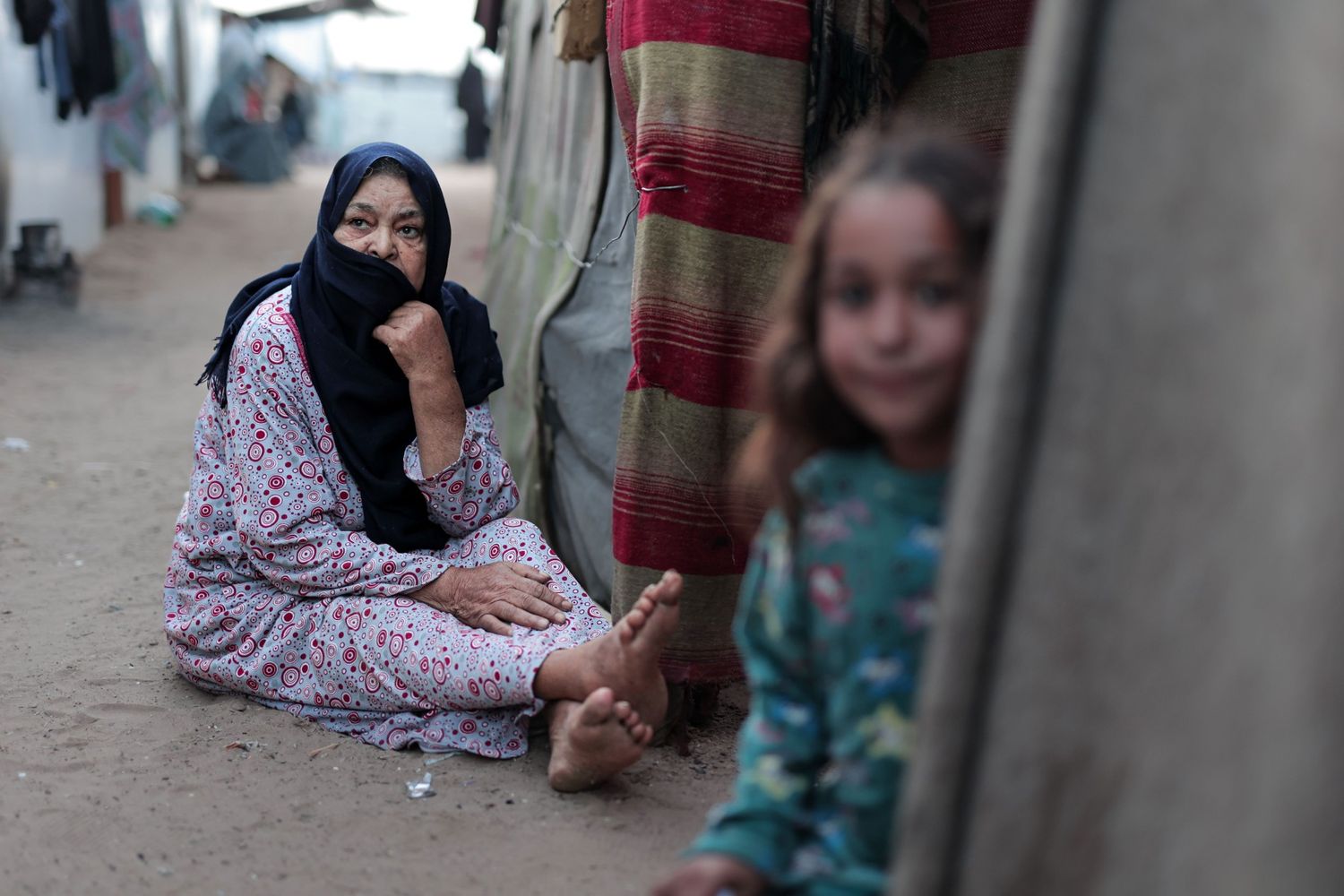
When people are forced to leave their homes, they rarely have the luxury of deciding what to take.
There is no time to make careful choices. There is only enough time to reach for what seems impossible to leave behind.
A mother folds a few sets of children's clothes into a worn bag. A father searches for important documents, hoping they will still matter when the crisis has passed. A child insists on carrying a favourite toy, even when there is barely room for anything else.
The journey begins with very little.
What families carry is often far greater than what can fit inside a suitcase.
They carry uncertainty. They carry unanswered questions. They carry the hope that the place they are leaving will still be there when they return.
Displacement changes more than an address.
The familiar rhythm of daily life disappears. The neighbour who always knocked on the door is no longer next door. The market where everyone knew each other is out of reach. A classroom becomes an empty memory. Even the smallest routines—making tea in the morning, opening a family business, walking children to school—suddenly belong to another chapter of life.
These losses are difficult to count because they leave no visible mark on a map.
Yet they shape everyday life in profound ways.
Ask families what they miss most, and the answers are often surprisingly simple. They speak about eating together around the same table. They miss unlocking the front door after a day's work. They miss hearing familiar voices in familiar streets.
Home is rarely described as a building.
It is described as a feeling.
Humanitarian assistance cannot replace everything that has been lost. It cannot restore years of memories or erase the pain of leaving. But it can make the next day a little less uncertain.
A hot meal shared with a family that has gone days without one. Clean drinking water delivered before supplies run out. Blankets that bring warmth on a cold night. Medical care that arrives before a small illness becomes a serious one.
These are practical forms of compassion.
They remind people that, even in the hardest moments, they have not been abandoned.
Across every humanitarian response, local communities remain at the heart of recovery. Volunteers welcome newly displaced families, neighbours share what little they have, and healthcare workers continue serving others despite the challenges they face themselves.
Their actions rarely appear in newspapers.
They are simply acts of humanity, repeated every day.
At Yafa Relief, we have learned that helping a family is not only about meeting immediate needs. It is about preserving dignity during a time when so much feels uncertain. Every conversation, every delivery, and every helping hand is part of a larger promise—that no family should face hardship alone.
One day, many of these families hope to return home.
Until that day comes, they continue carrying what matters most: their love for one another, their memories, and the determination to begin again whenever the opportunity arrives.