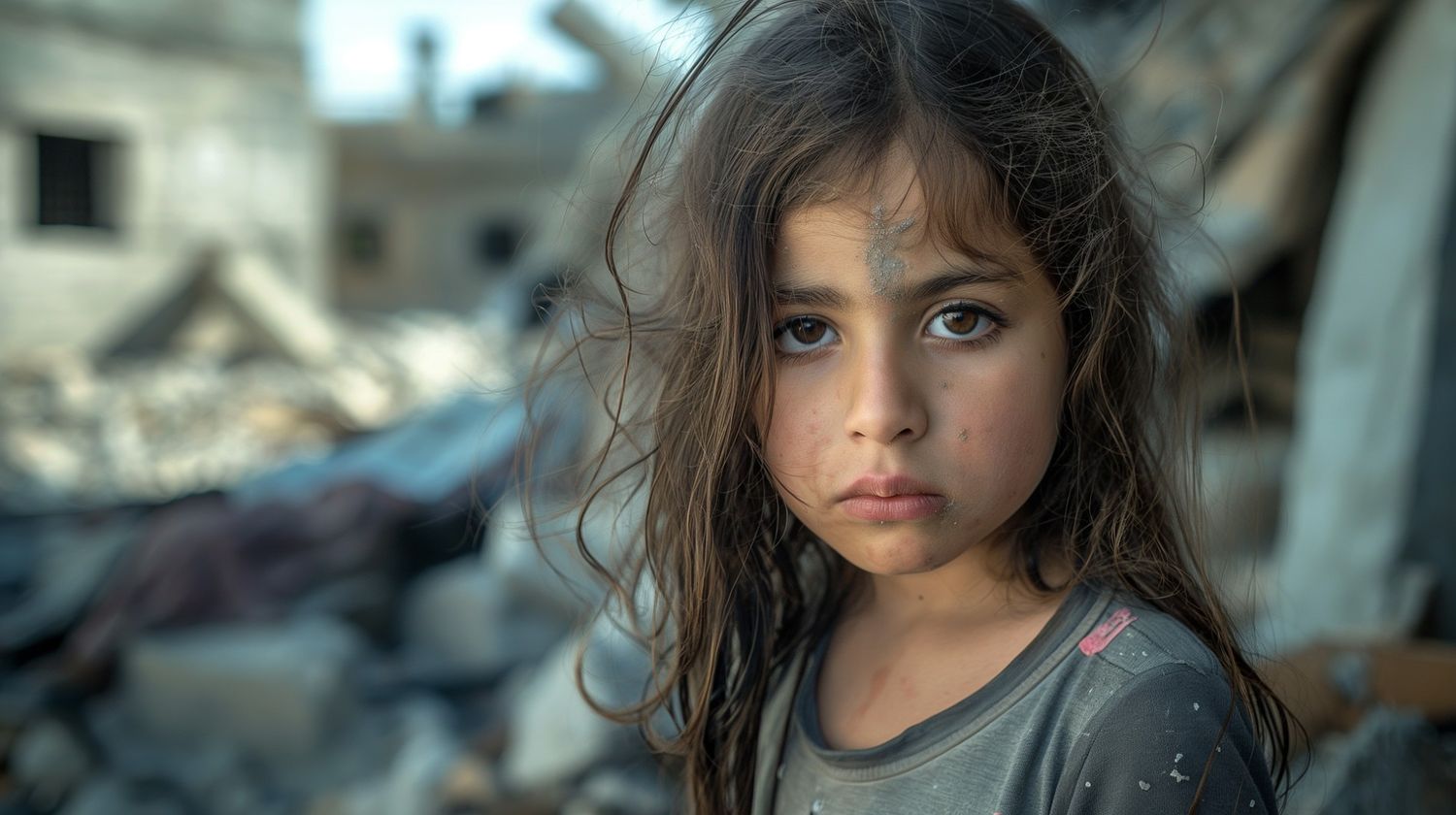
A mother in southern Gaza keeps asking her little boy the same question every morning: "What would you like for breakfast?" She already knows there will be no answer.
A few months ago, he talked all the time. He loved football and could spend an hour telling stories about his friends and the games they played together. Then the war came, and little by little, he stopped speaking.
His mother says she still waits for the day she hears his voice again.
Stories like this are becoming painfully common. Many children in Gaza have seen things that no child should ever witness. Some wake up frightened in the middle of the night. Others refuse to leave their parents' side. A few have become so withdrawn that they hardly speak at all.
The injuries of war are not always visible. A child can look unharmed and still carry fear, grief, and confusion that are difficult to put into words.
Families are doing their best to comfort their children while facing their own struggles. Parents are trying to create moments of normal life in places where normal life no longer exists. They tell stories, share memories, and hold their children close, hoping that small acts of love can ease the pain.
Humanitarian aid is about more than providing food and medicine. It is also about helping children feel safe again and giving families the support they need to begin healing.
One day, these children will speak about what they have lived through. Until then, their silence tells a story of its own—a story that the world should not ignore.