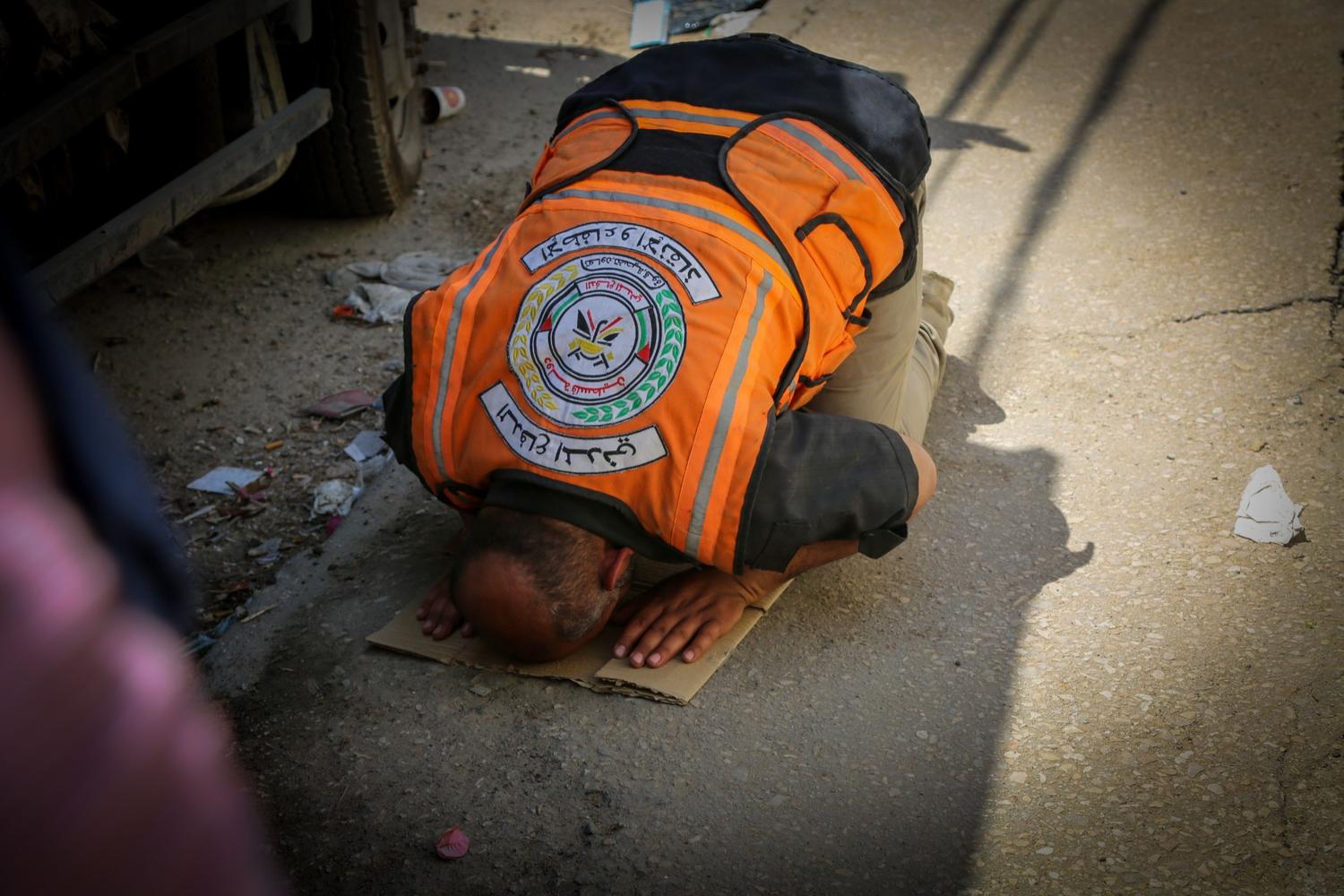
There’s always a quiet before a neighbourhood starts making noise.
There’s always the owner who lifts both hands to push open the shutter.
There’s always someone sweeping the dirt out of their doorway.
There’s always a kettle put on before anyone else in the neighbourhood is awake.
There’s always a child who will carry for their mother, as that is how children work, once they’ve seen enough to grow up a little too quickly.
It does not sound like much. That is the trouble.
From the outside, these are not the sorts of moments people have cause to pause at. But where things are pressured over a sustained period of time, small things must become larger, more important, than they ought to.
A place does not live on one extraordinary thing.
It lives on thousands of ordinary ones.
There is someone who will open shop even when the shelves are only partially full.
There is someone who will fix the frayed wire or patch the broken chair or ensure the broken door actually shuts.
There is someone who will call into check on the neighbour who’s been too sick or too low to leave their home for weeks.
There is someone who will ferry shopping bags to the old man who’d never ask you to.
There is someone who will take a message to the other end of the street because the telephone signal’s dropped again.
There’s rarely anything that will be written down or spoken aloud about this kind of work. It’s far too mundane. Too quiet. But mundane is the bedrock most communities are founded upon.
A street is only a street because individuals keep showing up.
There is the bakery putting bread on the shelf.
There is the barber opening his door.
There is the boy doing the shopping and running that errand without needing asking twice.
There is the woman who remembers who needs a drink and makes that trip too, regardless.
Nothing sounds terribly glamorous or worthy of a fanfare when said aloud. But put it together and you see the outline of a community that has not yet surrendered.
This is what counts.
Not speeches. Not the drama of the news reports.
But individuals taking care of the space in which they live their lives, even when that has become profoundly difficult.
This is also the point at which humanitarian assistance becomes truly crucial; at which you give someone enough space to take a breath and get going again. This enables the shop to stay open. It ensures no family needs to push all resources to the brink. It’s how people move away from the basic struggle for survival to actually living.
There’s very seldom a bang when people get to living again.
It happens gradually.
With hands that just keep moving.
With people who keep calling in.
With these small gestures, which may never make it to the headlines but mean the world to the people that witness them.
That is the beginning.
Not everyone at once.
But an ordinary day at a time.