No one wants to leave their home the day they wake up.
There is never enough time to pack. A few things can be thrown in, and if important papers can be found, they are stuffed in a bag in preparation for leaving. Keys are found. Phones are charged, or not. Children ask, "Are we coming back tomorrow?" and no one knows the answer.
The first seventy-two hours following displacement are the hardest,
not necessarily because things have been lost, but because nothing is certain.
The first question asked is usually, "Where are we going?"
Families find themselves searching for any location that will offer more security than the one they were forced to leave.
Shelters, friends' houses, schools, or even an empty field, anything that can offer some form of privacy is considered. Families are crammed in with strangers, with no concept of what their personal space is anymore.
The next set of questions are all centered around needs.
Is there water?
Is there food?
Will there be milk for the baby?
Do you have medication for Grandma?
Can I charge my phone so that I can tell people we are safe?
All of these questions are answered based on what is available on that day.
A lot of children displaced from their homes don't really process what is happening to them because they are still focused on what they have lost.
The bedtime story, the favorite blanket, the walk to school, and the smell of home all disappear with them, leaving only confusion.
Parents try to recreate some of these things for their children in order to assure them that everything will be okay.
They make up games to distract them, they tell stories to help them forget about the hunger in their stomachs, and they try to pretend everything is normal so that the children won't know it isn't.
The stress of their situations is kept within themselves so that their children have nothing to worry about other than their bedtime routine.
These efforts might be the only things that keep children going during these first seventy-two hours of displacement.
They rarely make the news.
As time passes, the uncertainty of the situation starts to weigh heavier on families as they realize what they have lost. Where will they sleep tonight? Will they have to move again soon? Will they ever return home?
Displacement robs so many people of so much more than just their homes.
It strips them of everything they used to have that kept them grounded and safe. It takes away neighbors, friends, the jobs that kept them busy, and the routines that kept them happy.
That is why humanitarian aid is so important from the moment they arrive at their temporary location.
A hot meal is more than just food.
It is comfort, security, and familiarity.
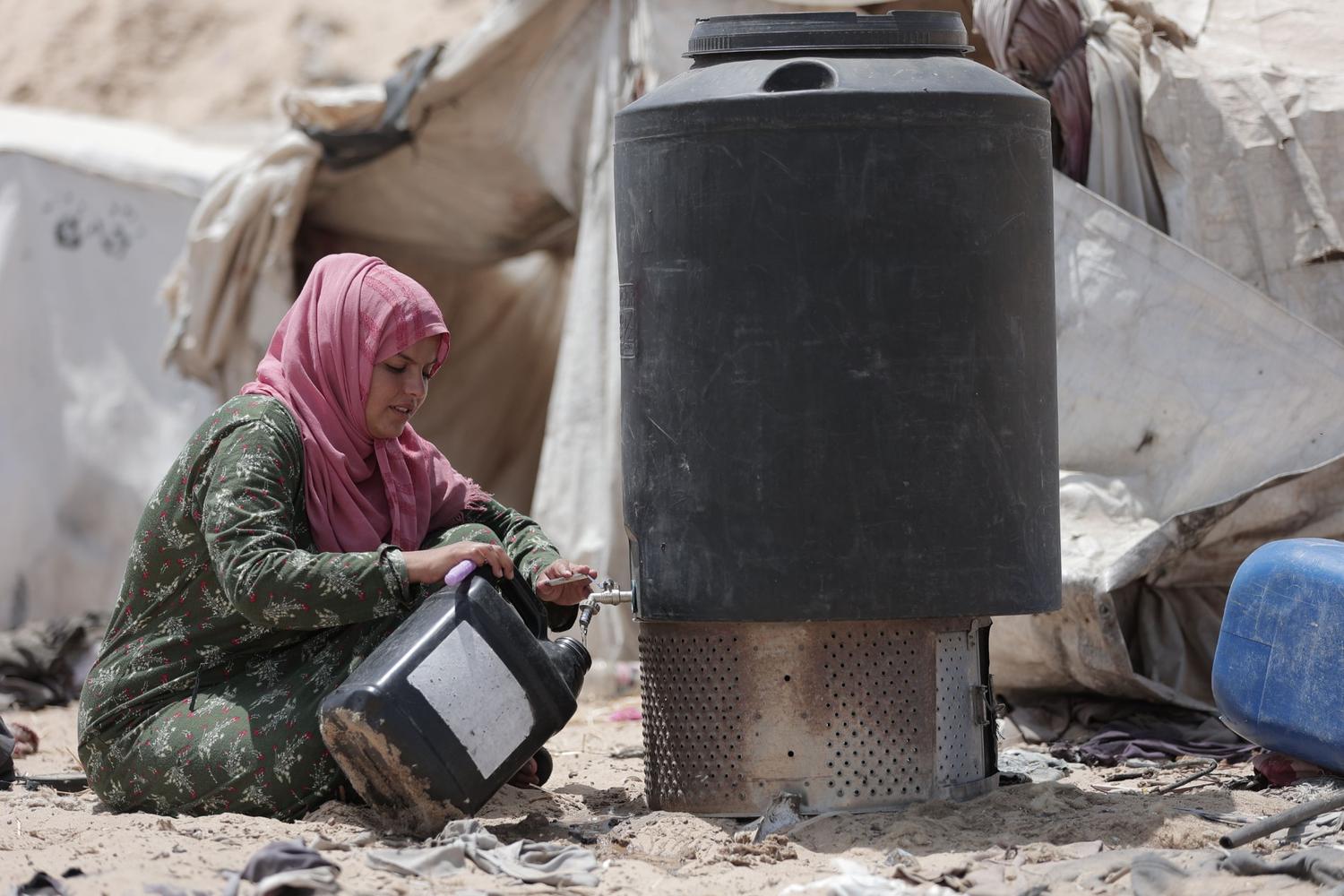
Access to clean water is more than hydration; it is sanitation and health care.
The blankets, hygiene kits, medical supplies, and shelter they receive are more than just what they need; they are what they deserve to have.
These things are essential to helping families in displacement remember how much they deserve to be taken care of and how much it matters, even in the first seventy-two hours.
Behind every humanitarian crisis response are millions upon millions of people who believe in the right of every person to have a life full of safety, dignity, and hope.
Hope begins with simply knowing someone cares.