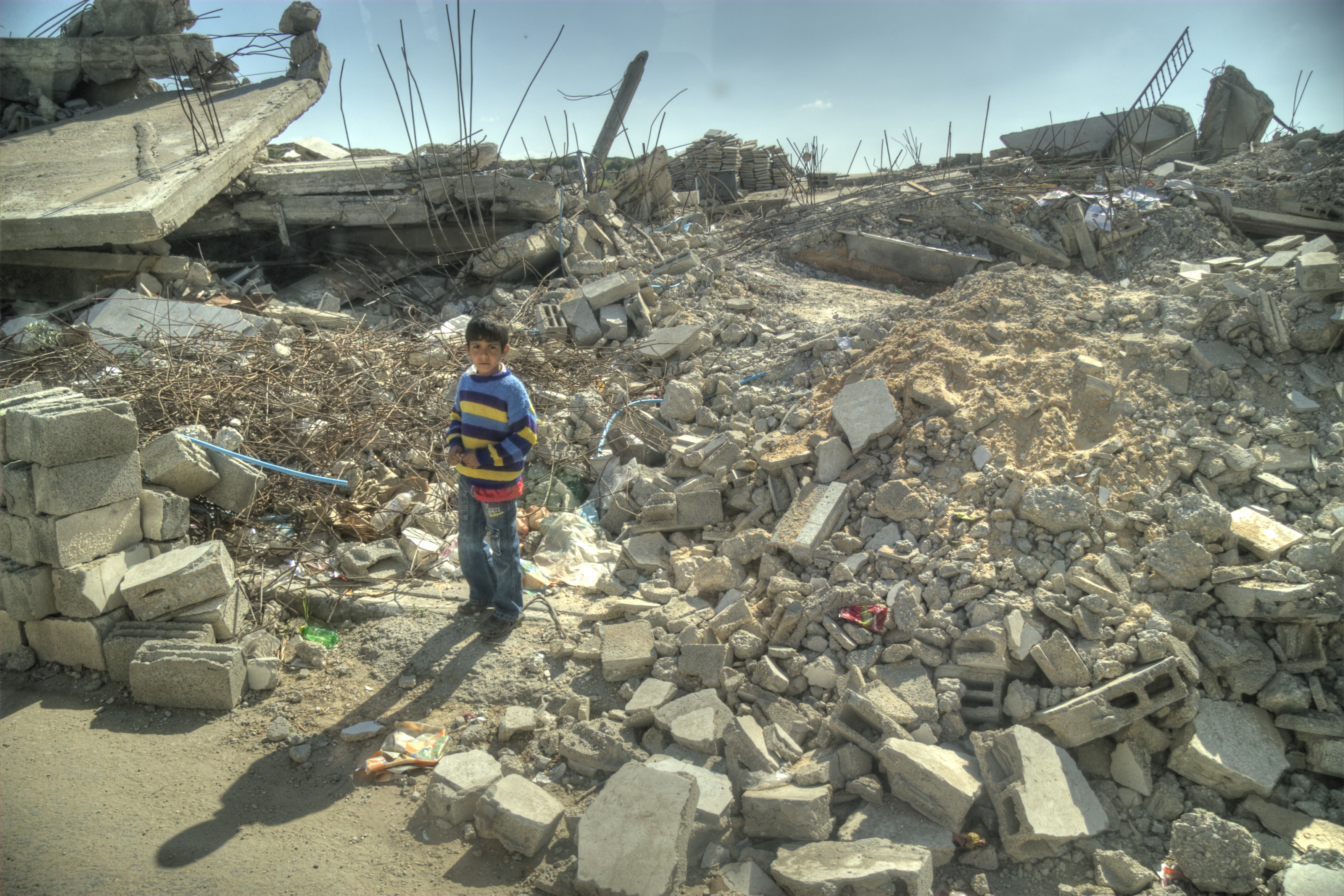
Wars don't just destroy buildings and claim lives on battlefields. They tear apart the invisible fabric that keeps societies running. Think about flipping a light switch, turning on a tap, or taking your child to school. In conflict zones, these ordinary acts become impossible luxuries.
Healthcare Systems in Crisis
Picture a hospital. Now imagine it's been shelled twice this month. Half the doctors have fled. The generator runs out of fuel every other day. Medicine shipments haven't arrived in weeks. This isn't a hypothetical scenario, it's reality for healthcare workers trying to save lives in war zones.
The numbers are staggering: About 60% of health facilities in active conflict zones either shut down completely or barely function within twelve months of fighting breaking out. Women die in childbirth at rates 30-60% higher than before, not because medicine has regressed, but because getting to a hospital has become a matter of luck and timing.
Then there's what happens with vaccines. Routine immunization programs fall apart. Kids who should've been protected against measles and polio simply aren't. Diseases we thought were under control come roaring back. Cholera spreads through displacement camps. These outbreaks don't stop when the shooting does, either ,they linger for years, killing children who weren't even born when the war started.
Water and Sanitation: A Silent Emergency
Clean water. It's something most of us take for granted until the tap runs dry. In conflict zones, water infrastructure gets bombed or breaks down without anyone to fix it. Sometimes it's deliberate, cutting off water is a weapon. Other times it's just collateral damage. Either way, people are left drinking from rivers, puddles, whatever they can find.
The toilet situation? Even worse, honestly. Sewage systems stop working. Refugee camps pack thousands of people into spaces with maybe a dozen latrines. Raw waste contaminates everything. Diseases spread fast in these conditions. You'd think fixing pipes and pumps would be straightforward, but it's not. You need security to work safely. You need money. You need engineers who haven't fled. In most conflict zones, you're lucky to have one of those three, let alone all of them.
Education Interrupted
School closures happen fast when war breaks out. A mortar hits the playground. The army moves into the building. Teachers disappear, fled, killed, or just too scared to show up. Parents face an impossible calculation: send your kid to school through a war zone, or keep them home and watch their future slip away?
The damage lasts a lifetime. Miss a few years of school as a kid, and you'll earn less money for the rest of your life. Your options narrow. Communities lose the educated people they need to rebuild after peace returns. Girls get hit hardest here, when families can only afford to educate one child, they usually pick the boy. It's a pattern that reinforces itself across generations.
Energy and Electricity
No power means no modern life. Power plants get targeted because they're strategic. Transmission lines get caught in crossfire. Fuel trucks can't make deliveries. Suddenly, everything that requires electricity, which is basically everything, stops working.
Hospitals can't keep vaccines cold or run ventilators. Water pumps sit useless. Schools go dark. Families cook over open fires indoors and end up with smoke inhalation. Some run generators in enclosed spaces and die from carbon monoxide poisoning. Businesses close because who can operate without electricity? Jobs disappear. The economy tanks. Good luck rebuilding a country when nobody can work.
The Ripple Effects
Here's the thing: these problems feed off each other. A hospital without power can't pump water. Can't keep vaccines refrigerated either. Schools without water can't maintain basic hygiene, so kids get sick. Everything connects, and when one system fails, it drags the others down with it. The total disaster ends up being way worse than you'd expect from just adding up the individual problems.
Women and kids suffer most. Women walk for hours searching for water or firewood instead of earning money or learning a trade. Kids get malnourished when food systems collapse. They drink contaminated water and get sick. Old people and anyone with disabilities? They're especially vulnerable when getting around becomes dangerous and specialized care vanishes.
Pathways to Protection and Recovery
International law says you're not supposed to bomb hospitals or blow up water plants. These protections exist on paper. In practice? They get violated constantly. We need better enforcement and real consequences for people who attack civilian infrastructure. Humanitarian organizations do incredible work trying to keep basic services running, but they need safe access, adequate funding, and political backing to actually succeed.
Rebuilding isn't just about pouring concrete and stringing wires. You need to train new doctors and teachers to replace the ones who died or left. Communities have to learn to trust institutions again. People need help processing trauma that affects entire societies. Investing early in service restoration speeds up everything else and gives people something that's in short supply after a war: hope. That hope might be the difference between lasting peace and another round of fighting.
What You Can Do
Donate to humanitarian groups working in conflict zones, they're the ones keeping services alive when everything else falls apart. Push for protection of hospitals, schools, and water systems. Stay informed about what's actually happening in ongoing conflicts. Yeah, it's depressing news, but ignoring it won't make it go away. Every bit of awareness and action adds up.