When someone dies, there is usually a moment when everything else stops.
People put down what they are doing.
Families come together.
Neighbors arrive.
And for a little while, the world becomes about remembering the person who is gone.
In ordinary circumstances, saying goodbye can take many forms.
A family gathers.
A body is washed and prepared.
Prayers are said.
Stories are shared.
People sit together, sometimes in silence, sometimes remembering the person through laughter and tears.
These rituals may vary from place to place but they all serve a similar purpose.
They give people a way to say goodbye.
They give families a moment to grieve.
They give a life that has ended the dignity it deserves.
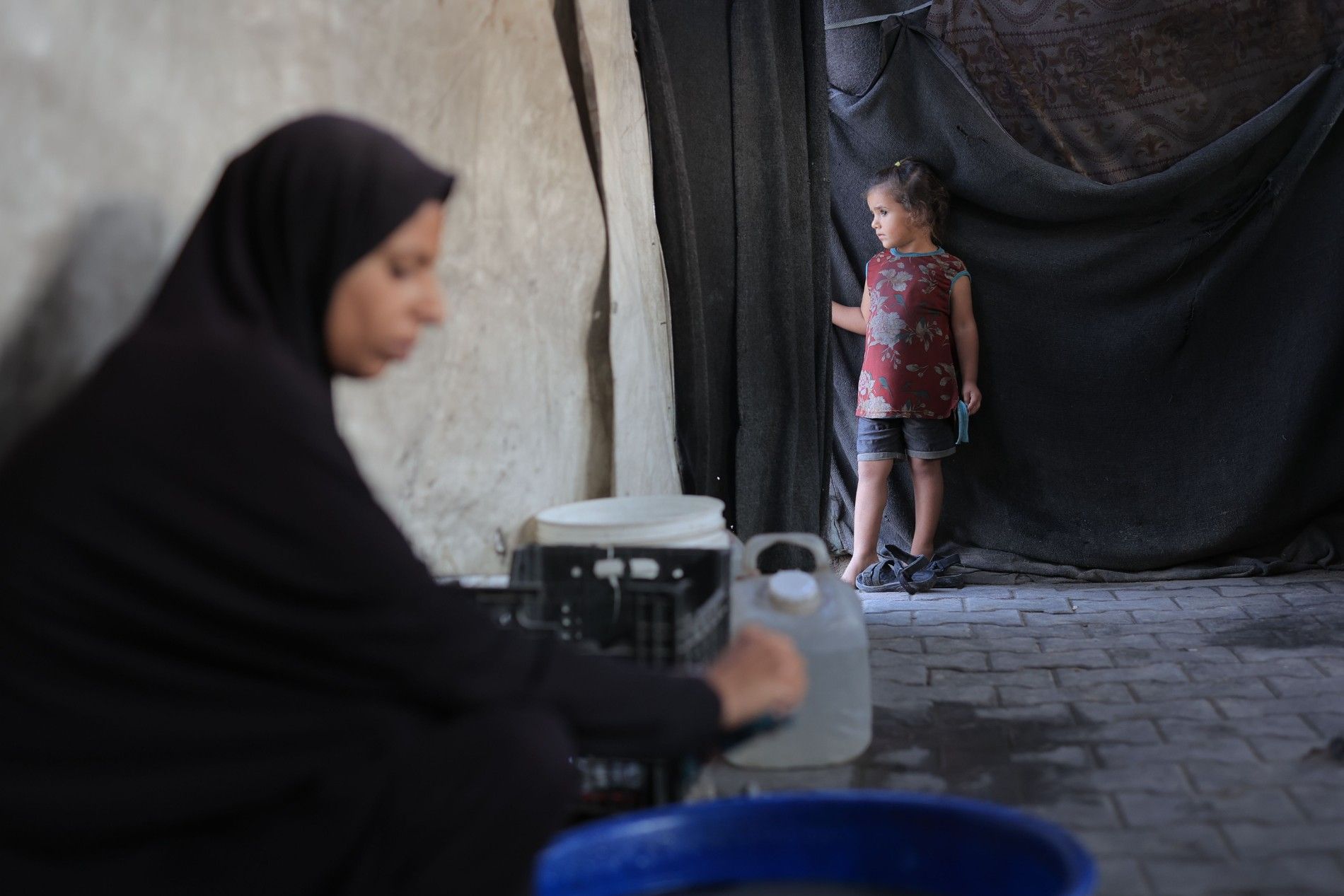
But during a humanitarian crisis, even these simple acts can become difficult.
Families may be separated from one another.
Places of worship may be damaged or inaccessible.
Travel may be dangerous or impossible.
There may not be enough time to gather everyone who wants to come.
The same old customs that once felt so comforting can suddenly be hard to follow.
And yet, people still try.
They find a way to pray.
They find a way to gather.
They find a way to remember.
Sometimes, it happens with only a few family members present.
Sometimes, a neighbor stands in for someone who could not make it.
Sometimes, there is no proper place for people to sit together, so they simply stand beside one another.
The circumstances may change, but the need to say goodbye does not.
People still want to hear the person's name spoken.
They still want to remember what made them laugh.
They still want to tell stories about the life they lived.
They still want their final moments with that person to mean something.
These moments rarely become the stories that make the news.
There are no headlines about a family sitting quietly together after a funeral.
No cameras capture every prayer.
No photograph can fully show what it means to say goodbye to someone you love when the world around you is already falling apart.
But these moments matter.
Because grief needs somewhere to go.
People need a chance to mourn.
They need to hold onto the memories that remain when the person themselves is no longer there.
A funeral cannot change what happened.
A prayer cannot bring someone back.
A goodbye cannot make the loss disappear.
But saying goodbye gives families something they desperately need in the middle of uncertainty.
A moment to stop.
A moment to remember.
A moment to honor a life.
And sometimes, a final chance to tell someone who mattered that they were loved.
The next time you hear about a life lost during a humanitarian crisis, remember that behind every name is a family that has to find its own way to say goodbye.
They may not have the ceremony they imagined.
They may not have everyone they love beside them.
They may not have the time, space, or peace they deserve.
But they will still find a way to remember.
Because even when everything else has been taken away, people still hold onto the need to honor those they have lost.
And sometimes, the simplest act of all is also the most important.
To gather.
To remember.
To pray.
And to say goodbye.