There is a familiar rhythm to the way the world responds to a crisis.
A photograph spreads across news websites. Television channels interrupt their regular programming. Social media fills with messages of concern. For a few days, perhaps a few weeks, millions of people pay close attention.
Then another story arrives.
The cameras move on, reporters leave, and public attention follows. But for the families caught in the middle of the crisis, life doesn't suddenly become easier because fewer people are watching.
The struggle simply becomes quieter.
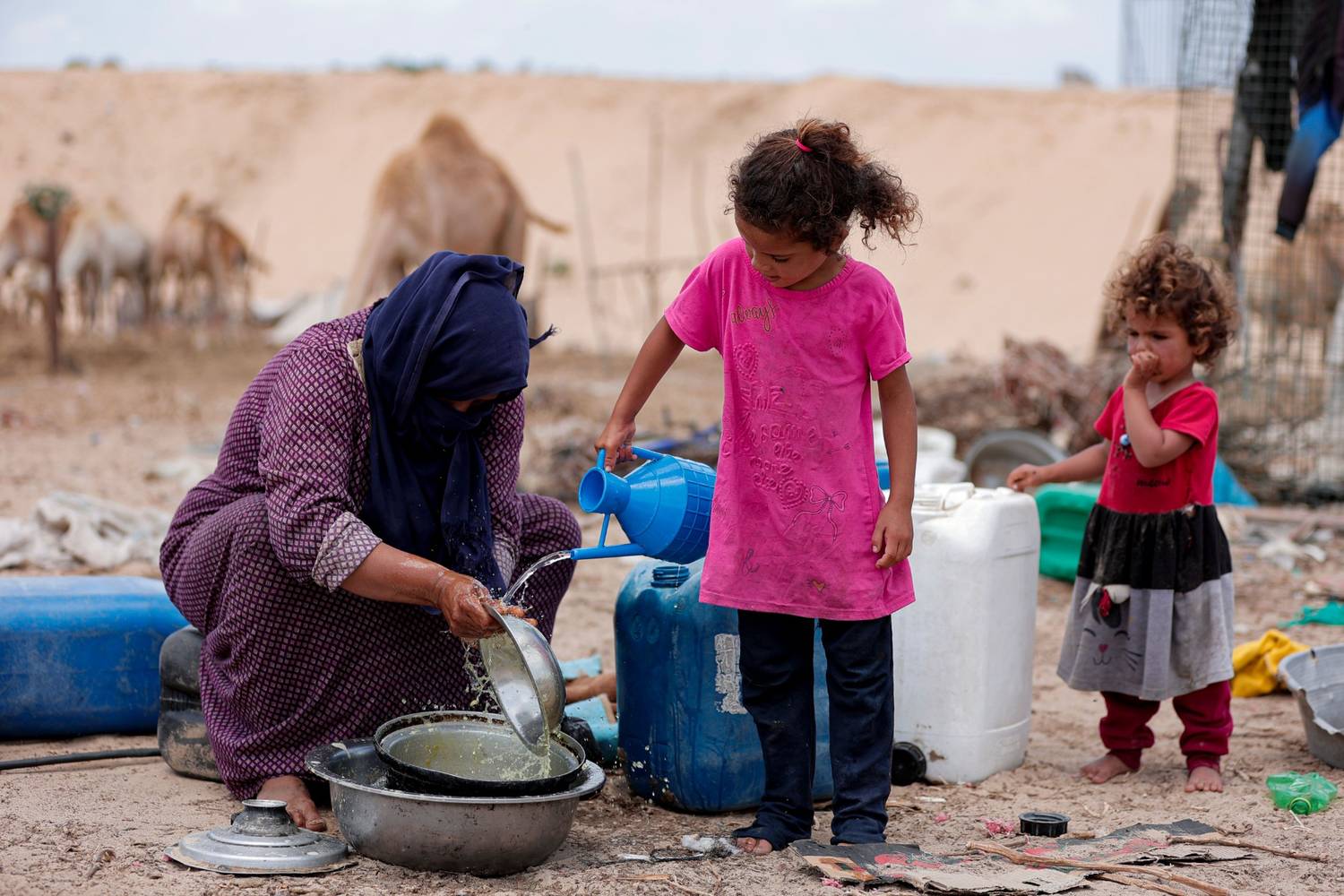
A mother still queues for clean water before sunrise. A father still spends hours searching for food or medicine. Children continue asking questions that have no easy answers: When can we go home? When will school open again?
There is no clear date when a humanitarian crisis ends. The absence of headlines should never be mistaken for the absence of need.
Long after emergency appeals lose their urgency, communities are still trying to rebuild what was lost. Homes can be repaired, but rebuilding a livelihood takes longer. Schools can reopen, yet months of interrupted learning leave lasting gaps. Families who have been displaced may find shelter, but rebuilding a sense of security is another challenge altogether.
Recovery rarely happens in dramatic moments. More often, it unfolds through small, determined steps.
A clinic welcomes patients again after weeks of disruption. A volunteer delivers food to an elderly couple who cannot leave their shelter. Children gather for lessons in a temporary classroom because someone refused to let education come to a standstill.
These moments seldom attract international attention. They are too ordinary to become headlines.
Yet they are the moments that keep communities going.
Humanitarian work is often described through numbers—how many families received assistance, how many meals were distributed, how many shelters were built. Those figures matter, but they tell only part of the story. Behind every number is a family trying to regain a sense of normal life, one day at a time.
That is why long-term commitment matters just as much as emergency response.
Communities do not recover because the world briefly noticed their suffering. They recover because support continues after public attention has shifted elsewhere.
At Yafa Relief, we believe our responsibility does not end when the headlines do. We remain alongside the communities we serve because rebuilding trust, restoring dignity, and helping families move forward cannot be accomplished in a single news cycle.
Some of the most important humanitarian work begins only after the world's attention has moved on.